
Basics of Designing
Your Solar System
Why start with the city? How to choose the right battery? A simple guide explaining how the Solar Calculator app works to ensure the most accurate results for your project.
Why Start by Choosing a City?
You might think the sun is the same all over Sudan, but engineering-wise, it's very different. The app uses your location to calculate three critical factors:
Peak Sun Hours
Peak sun hours vary from Northern State to Khartoum, which determines exactly how many panels are required to produce electricity.
Heat Effect
High temperatures reduce panel efficiency. The app automatically adds extra panels in hotter regions to compensate for this loss.
Clouds & Dust
The app considers local environmental factors (like dust and seasonal clouds) to ensure system stability year-round.

Khartoum

Port Sudan
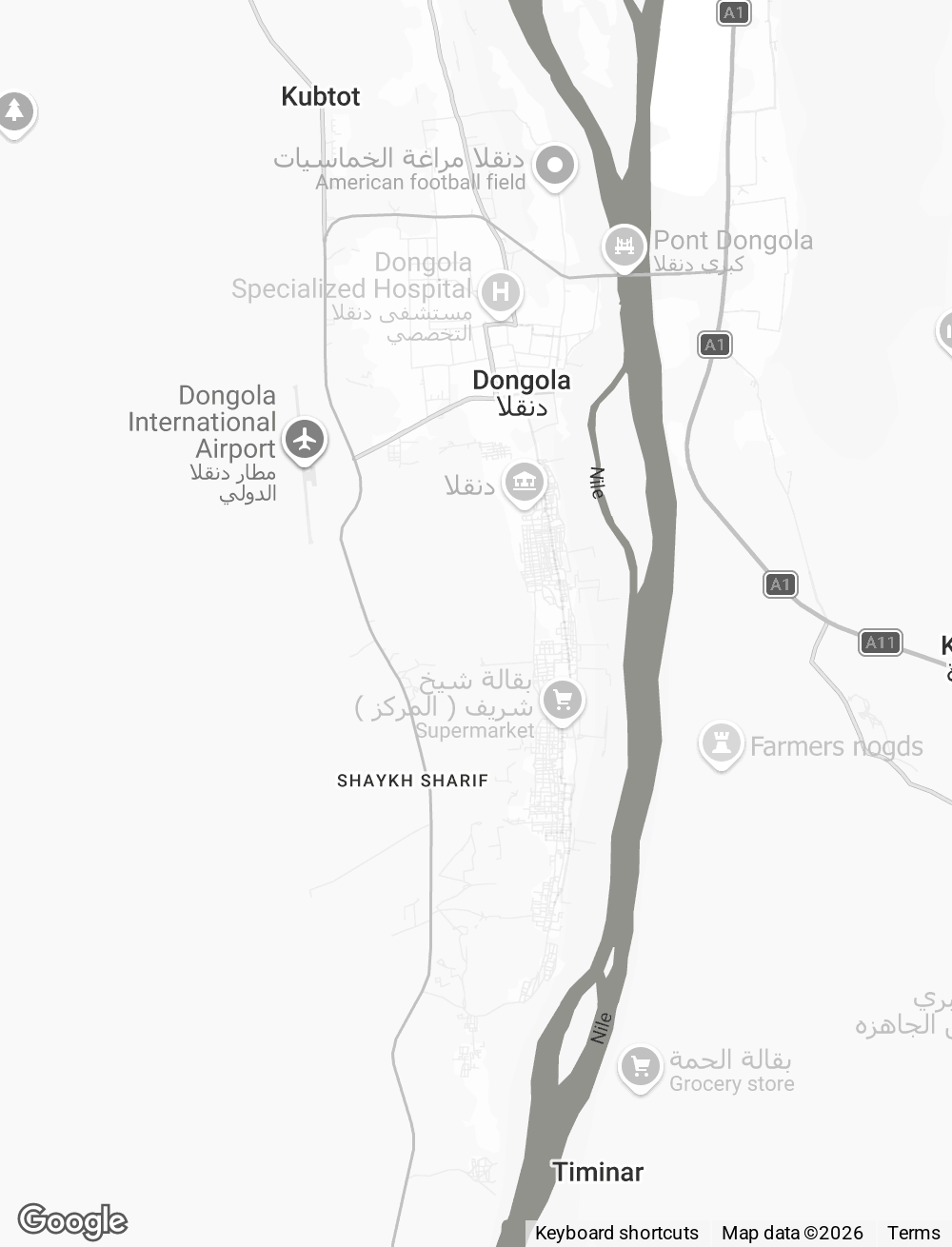
Dongola
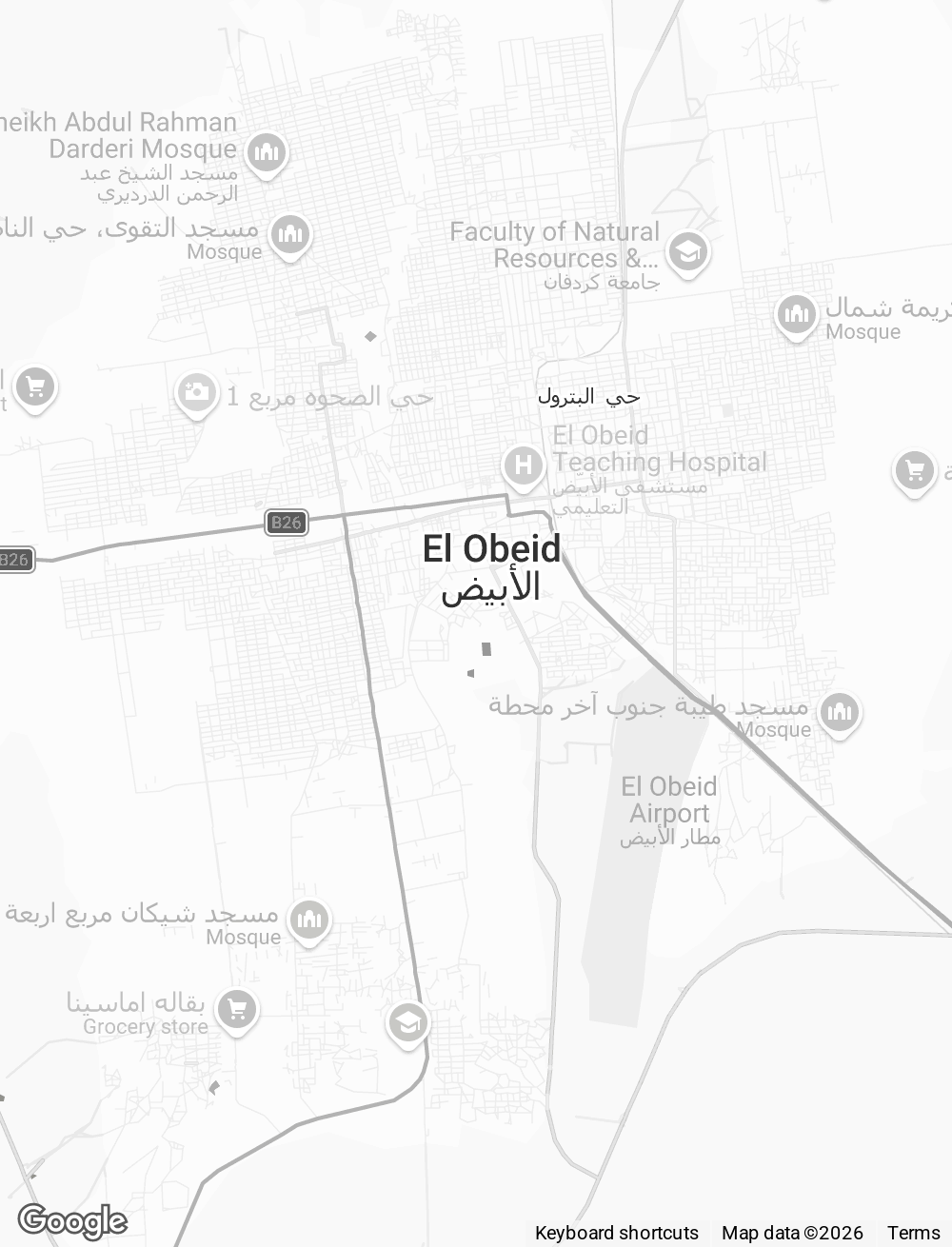
El Obeid
We rely on NASA POWER data and local weather records to ensure your system withstands summer heat and autumn dust in your specific area.


Which Battery to Choose?
The battery is the heart of the system. Your choice here determines the system's lifespan and long-term cost.
Gel / Liquid Batteries
- Cheap upfront cost.
- Short lifespan (2 - 3 years).
- Requires double capacity to maintain health.
Lithium Batteries
- Very long lifespan (5 - 10 years).
- High efficiency (needs fewer batteries).
- Higher initial cost, but cheaper over time.
What is Depth of Discharge (DOD)?
Depth of Discharge (DOD) is simply how much electricity you can draw from the battery without damaging it.
Imagine the battery as a water tank. Some tanks only allow you to use half the water, otherwise, they crack (like Gel batteries), while others allow you to use almost the entire tank (like Lithium).
Why does this number matter?
Because the capacity written on the battery label is NOT what you will actually use! The Solar Calculator app automatically does these calculations to prevent your batteries from failing early.
- 200Ah Battery (Gel)Gives you ~100Ah only
- 200Ah Battery (Lithium)Gives you ~180Ah actual
Autonomy Days (Storage Nights)
This setting determines: "How many days should the system run if clouds block the sun completely?"
No Storage (Daytime Only)
Calculates minimal battery just to stabilize current.
One Night
Suitable as a Backup for grid outages.
Two Nights (Perfect Balance)
Ensures power continuity during partly cloudy days.
3 Nights (High Reliability)
For critical loads (Clinics, Servers) or volatile weather areas.
Entering Appliances & Loads
This is the most crucial step: What do you want to run? Accuracy here means saving money and avoiding blackouts.
Power (Watts)
This number is the appliance's consumption footprint. Here are 3 ways to find it accurately:
- • The Sticker: Look behind the device for a number ending in "W" or "Watt".
- • The Formula: If you only see Amps (A) and Volts (V), multiply them: V × A = Watts.
- • Model Number: Google the device model number + "Specs".
Operating Hours
Be realistic. A fridge runs 24 hours (cycling), but an iron runs for 15 minutes. Overestimating here significantly increases system cost.
Frequently Asked Questions
Everything you need to know about using the Solar Calculator.
Is the calculator completely free?
What happens after I calculate my system?
Does the app account for Sudan's specific climate?
Can I design and purchase a system for my family in Sudan while living abroad?
Does Mutajadidah install the systems directly?
Are the results engineer-grade?
Ready to Apply What You Learned?
You can use the quick web calculator, or download the app for advanced options and project saving.